
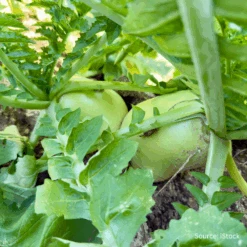
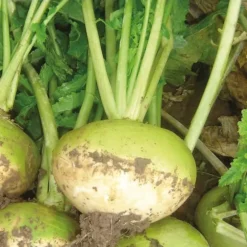
Turnip Green Globe
Original price was: $12.00.$8.40Current price is: $8.40.
- Shop with Ease
- Get Quality, Get More
- Your Security is Our Promise
- Your questions, our prompt answers.

Turnip Green Globe, is recognised as an effective forage crop in New Zealand. With its high nutritional profile and adaptability, it serves as an excellent source of feed for livestock, particularly during the cooler months when other forage options may be limited. Green Globe turnips can be sown as sole crop or mixed with other species and are winter-hardy and frost tolerant, so keep well through winter. Sow in January or February, and graze from June onward.
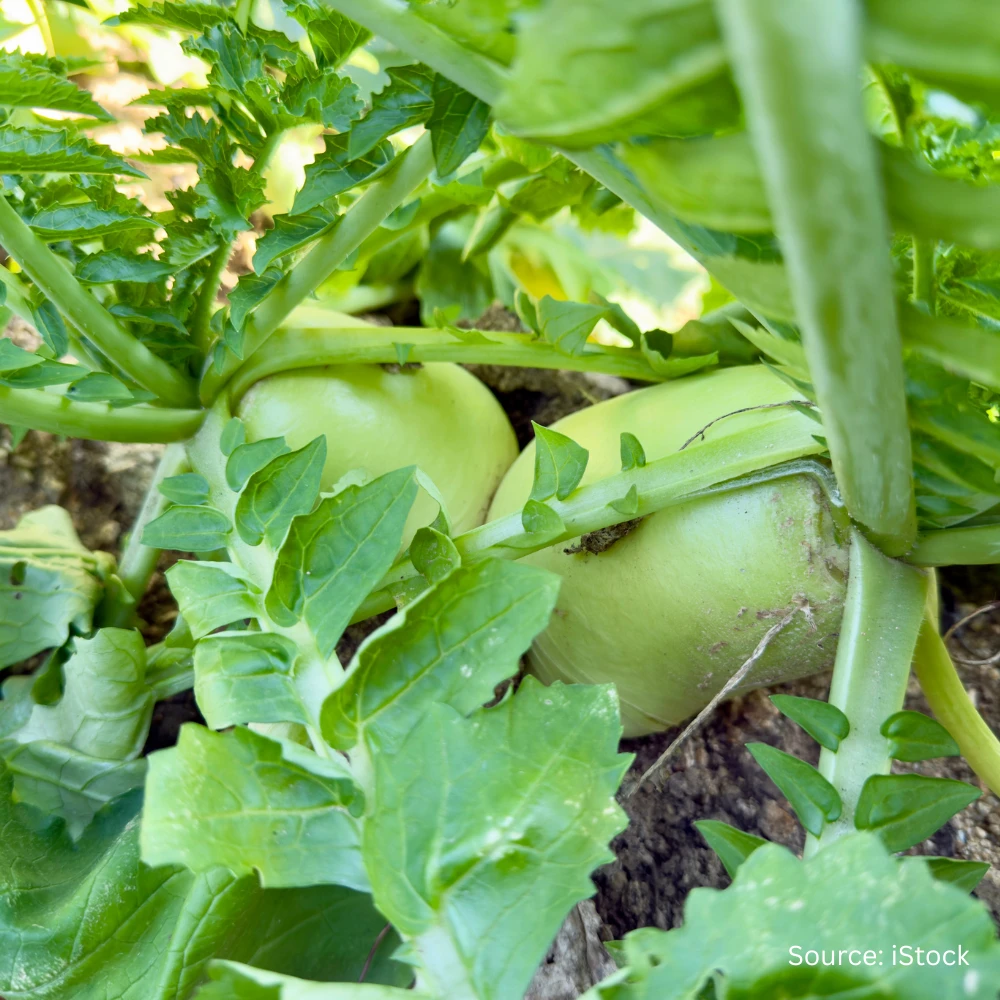
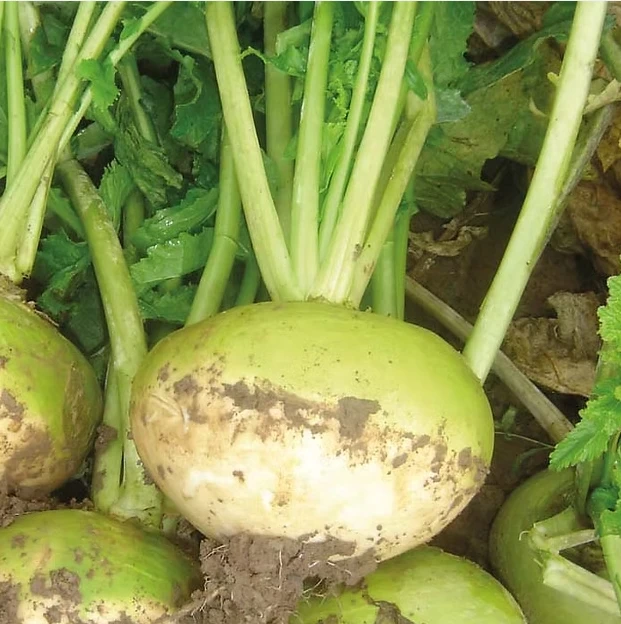
Turnip Green Globe is distinguished by its round, globe-shaped roots, which can be grazed for both their roots and nutritious leafy greens which can comprise 40-50% of the yield. This dual-purpose crop provides a balanced diet for grazing animals such as sheep, cattle and goats, delivering essential vitamins and minerals to support their growth and health. The foliage is rich in protein, while the roots offer carbohydrates, making the turnip an ideal component of livestock rations.
One of the main advantages of utilising Turnip Green Globe as a forage crop in New Zealand is its ability to thrive in cooler temperatures. It can be sown in late summer to early autumn, allowing it to establish itself before winter sets in. Its resilience to frost makes it an excellent choice for providing winter forage, maintaining high feed quality even under harsh conditions. Moreover, the rapid growth rate of Turnip Green Globe means that farmers can expect a quick turnaround from planting to grazing, typically within 12 to 14 weeks.
Farmers should be mindful of grazing management, ensuring that livestock do not overgraze the turnips. Strategic planning, such as rotational grazing, can help maintain a sustainable supply of forage while keeping animal health in check.
| Size | 100 grams, 500 grams, 1 kilogram |
|---|
Be the first to review “Turnip Green Globe”
Related products

Reviews
There are no reviews yet.